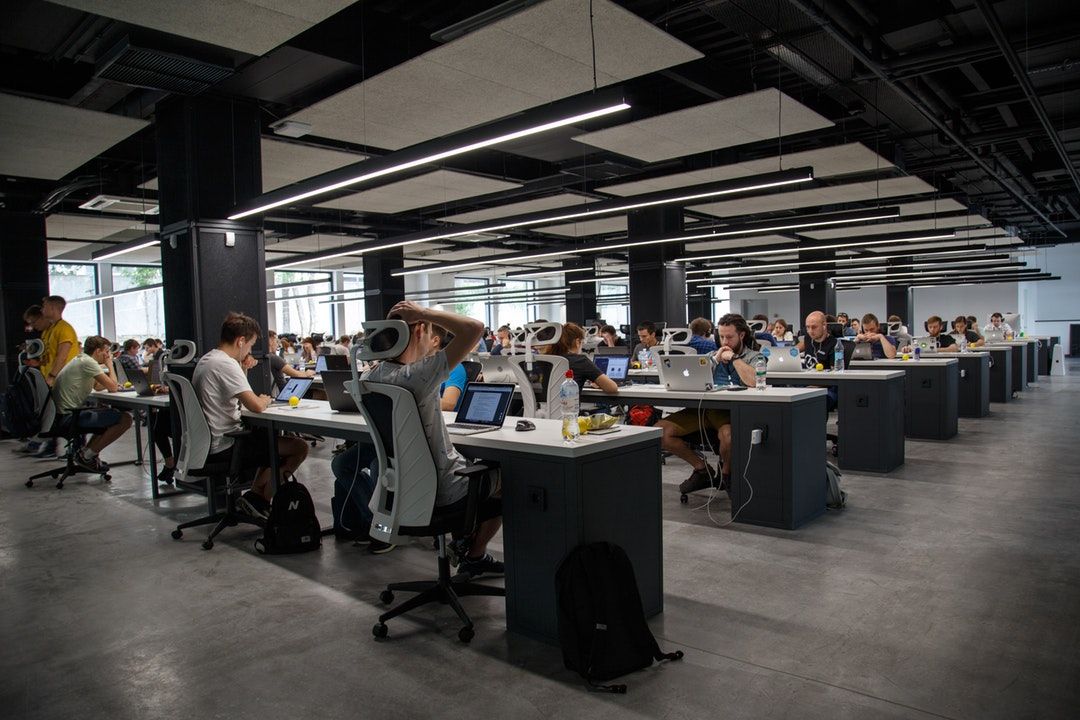
How constant responsiveness is quietly replacing strategic thinking.
Walk into almost any office today and ask someone how they’re doing. The answer is remarkably predictable.
“Busy.” Not “Good.” Not “Excited.” Not even “Productive.” Just busy.
Calendars are full. Notifications never stop. Meetings begin before the previous one has finished. Emails arrive around the clock. Artificial intelligence has accelerated countless routine tasks, yet very few professionals would argue they suddenly have more time to think. And perhaps that’s one of the biggest workplace paradoxes of 2026. We’ve become incredibly efficient at moving work. But not necessarily at improving it.
Somewhere Along the Way, Activity Became Success
Modern organizations naturally celebrate visible work.
Meetings attended. Emails answered. Projects updated. Dashboards reviewed. Messages replied to.
These activities are measurable. They create movement. They signal responsiveness. Thinking doesn’t. A leader spending an hour analysing a strategic decision can appear less productive than someone attending five meetings during the same period. One generates visible activity. The other generates better decisions. The problem isn’t that organizations undervalue thinking. It’s that thinking is almost invisible. Unlike emails or meetings, it leaves behind very little evidence. So workplaces slowly began rewarding what they could easily measure.
Activity.
The Workplace Has Become Exceptionally Good at Interrupting Itself
Technology has transformed the way organizations collaborate. Teams work across cities, provinces, and continents. Questions that once took hours now take minutes. Information is instantly available. Communication is effortless. These advances have created enormous value. But they’ve also introduced something many organizations never intended.
Constant interruption.
According to Microsoft’s 2024 Work Trend Index, knowledge workers are interrupted approximately every two minutes through meetings, chats, emails, or notifications. The same report found employees spend nearly 60% of their working hours communicating rather than performing focused work.
Every interruption appears small.
A Teams notification. A quick approval. A calendar reminder. A colleague asking for “just five minutes.”
Individually, none of these seem significant. Collectively, they fragment attention throughout the day. Harvard Business Review describes this phenomenon as attention residue, where part of our focus remains attached to the previous task even after moving to the next one. The result isn’t simply lost time. It’s reduced quality of thinking. The workday becomes full. Deep work quietly disappears.
AI Solved One Problem. It Created Another
When generative AI entered the workplace, many believed it would finally solve one of the biggest challenges professionals faced.
Time.
Reports could be drafted in minutes. Presentations became easier to build. Research accelerated dramatically. Administrative tasks that once consumed hours suddenly required far less effort. In many respects, AI delivered exactly what it promised.
According to PwC’s 2025 Global AI Jobs Barometer, industries with higher AI adoption are experiencing faster productivity growth than those with lower AI exposure. Organizations are completing work more efficiently, while employees are using AI to reduce repetitive effort and improve output.
But something unexpected happened. The time AI created rarely stayed empty. Instead, it became available for more work.
Another meeting. Another project. Another report. Another request.
Higher productivity quickly became the new expectation rather than an opportunity to slow down. The conversation shifted almost overnight.
Instead of asking:
“How can AI reduce workload?” Organizations began asking:
“Now that this takes half the time, what else can we accomplish?” Employees weren’t necessarily asked to work longer. They were simply expected to fit more into the same working day. AI increased efficiency. It also raised expectations.
The Real Competitive Advantage Isn’t Speed
Many organizations believe competitive advantage comes from making decisions faster. In reality, history often tells a different story. Poor decisions made quickly remain poor decisions. Thoughtful decisions often outperform rushed ones. The organizations that consistently innovate don’t simply communicate well.
They think well.
That requires something increasingly rare.
Time. Not idle time. Thinking time. Time to question assumptions. Time to connect information. Time to explore alternatives. Time to identify risks before they become problems.
Those activities rarely happen between consecutive Teams notifications. They require uninterrupted attention.
Great Leaders Protect Attention, Not Just Time
Leadership has always involved making decisions. Today’s challenge is that leaders are making more decisions than ever before.
Hybrid teams. AI adoption. Cybersecurity. Economic uncertainty. Workforce planning. Customer expectations.
Every day presents another layer of complexity. Yet leaders often spend their calendars reacting rather than reflecting. The strongest organizations are beginning to recognise that protecting attention is becoming just as important as protecting budgets or resources. Some have introduced meeting-free mornings. Others encourage asynchronous communication instead of unnecessary meetings. Many are reconsidering whether every discussion truly requires another video call.
These aren’t productivity initiatives. They’re decision-quality initiatives. Because thoughtful organizations understand something simple. Communication keeps work moving. Thinking keeps work improving.
The Canadian Workplace Faces the Same Challenge
Canadian organizations are increasingly operating across provinces, time zones, and international markets. A project team in Toronto may collaborate with colleagues in Vancouver, Calgary, Montreal, New York, and offshore delivery centres within the same day. This level of connectivity creates incredible opportunities.
It also creates constant accessibility. Someone is always online. Someone is always waiting for an answer. Without clear leadership, responsiveness gradually becomes the workplace default. And when responsiveness becomes the goal, reflection often becomes the sacrifice.
A Final Thought
Technology will continue making work faster. Artificial intelligence will continue making people more efficient. Communication tools will continue becoming smarter. But none of those advancements automatically create better thinking.
That remains a human responsibility. Perhaps the organizations that thrive over the next decade won’t be the ones that respond the fastest. They’ll be the ones that create enough space for people to pause, challenge assumptions, and make better decisions.
Because movement creates activity. Thinking creates progress.
References
Microsoft Work Trend Index 2024
PwC Global AI Jobs Barometer 2025
Harvard Business Review – The Research Is Clear: Long Hours Backfire for People and for Companies and articles on attention residue and deep work
Deloitte Human Capital Trends
Gallup – State of the Global Workplace
Asana – Anatomy of Work Index